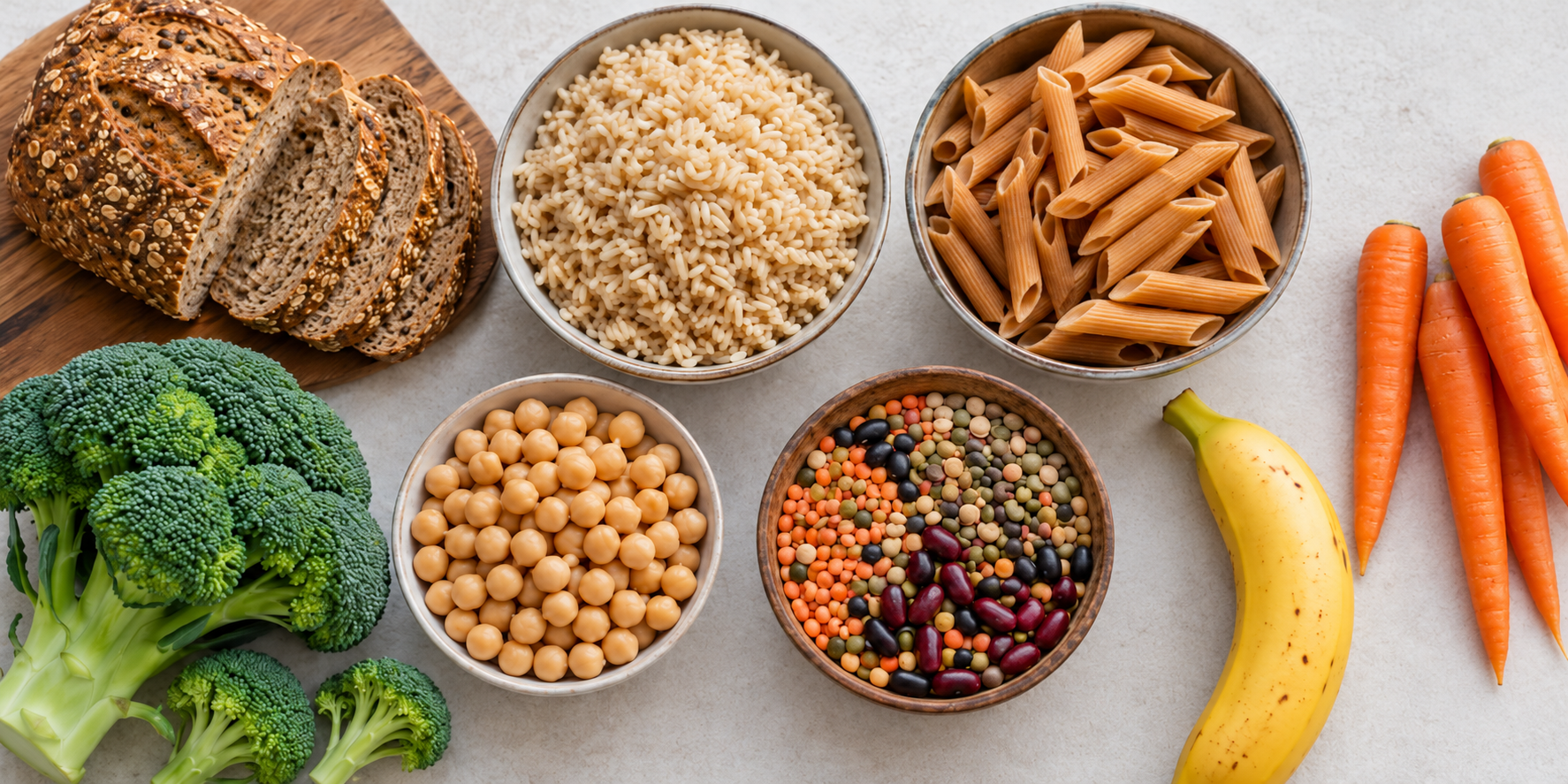
Fibre is an essential part of a healthy diet, yet many adults consume less than the recommended amount. In the UK, adults are advised to aim for around 30g of fibre per day from a variety of food sources (Scientific Advisory Committee on Nutrition, 2015).
What does Fibre do?
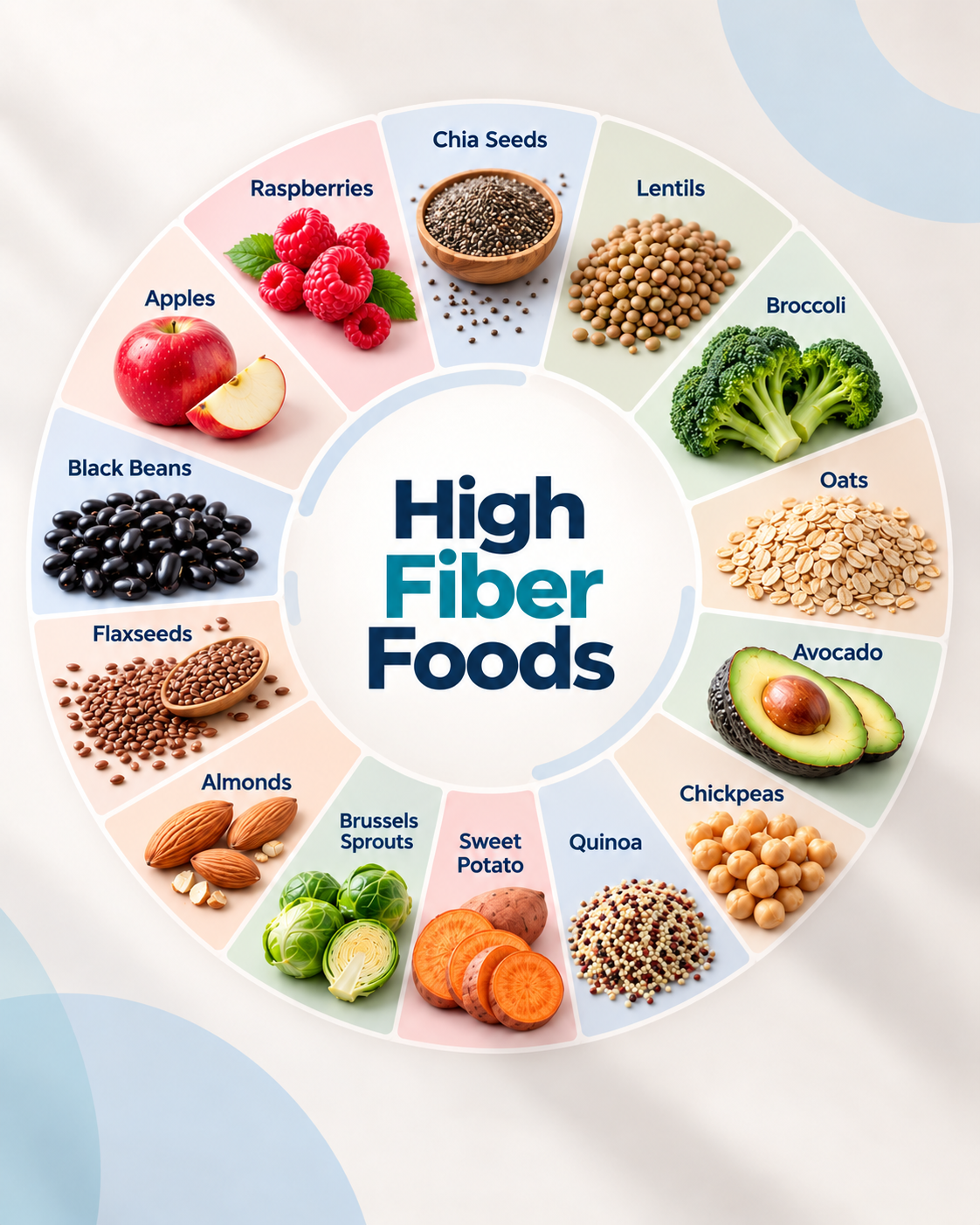
Dietary fibre is the part of plant-based foods that the body cannot fully digest. It helps support healthy bowel function and is naturally found in foods such as wholegrains, fruits, vegetables, legumes, nuts and seeds (European Commission, 2026).
Because fibre plays an important role in digestion, low intake may sometimes contribute to digestive discomfort and changes in bowel habits.
Common signs you may need more Fibre:
1. Changes in Bowel Habits
One of the most common signs of insufficient fibre intake is difficulty maintaining regular bowel movements. Fibre helps add bulk to stools and supports normal bowel function, making it an important component of digestive health (Scientific Advisory Committee on Nutrition, 2015).
2. Frequent Bloating or Digestive Discomfort
While bloating can occur for many reasons, a lack of dietary fibre may contribute to digestive sluggishness. Increasing fibre intake gradually, alongside adequate fluid consumption, may help support normal digestive processes (European Commission, 2026).
3. Feeling Hungry Soon After Eating
Foods rich in fibre can help create a greater feeling of fullness after meals. Choosing fibre-rich foods such as oats, vegetables, beans and wholegrains may help make meals more satisfying and contribute to the reduction in your cravings for snacky foods during the day.
4. Your Diet Lacks Whole Plant Foods
If your meals contain few fruits, vegetables, pulses or wholegrain foods, your fibre intake may be lower than recommended. Health authorities encourage obtaining fibre from a variety of plant-based food sources wherever possible (Scientific Advisory Committee on Nutrition, 2015).
Simple ways to increase Fibre intake
Improving your fibre intake does not need to be complicated. Small dietary changes can make a significant difference over time:
Choose wholegrain bread, rice and pasta.
Add an extra portion of vegetables to lunch and dinner.
Include beans, lentils or chickpeas in meals.
Snack on fruit, nuts or seeds.
According to European dietary guidance, wholegrain cereals, fruits, vegetables, pulses and nuts are among the primary sources of dietary fibre (European Commission, 2026). Make sure to increase fibre gradually and drink plenty of water whilst doing so.
References