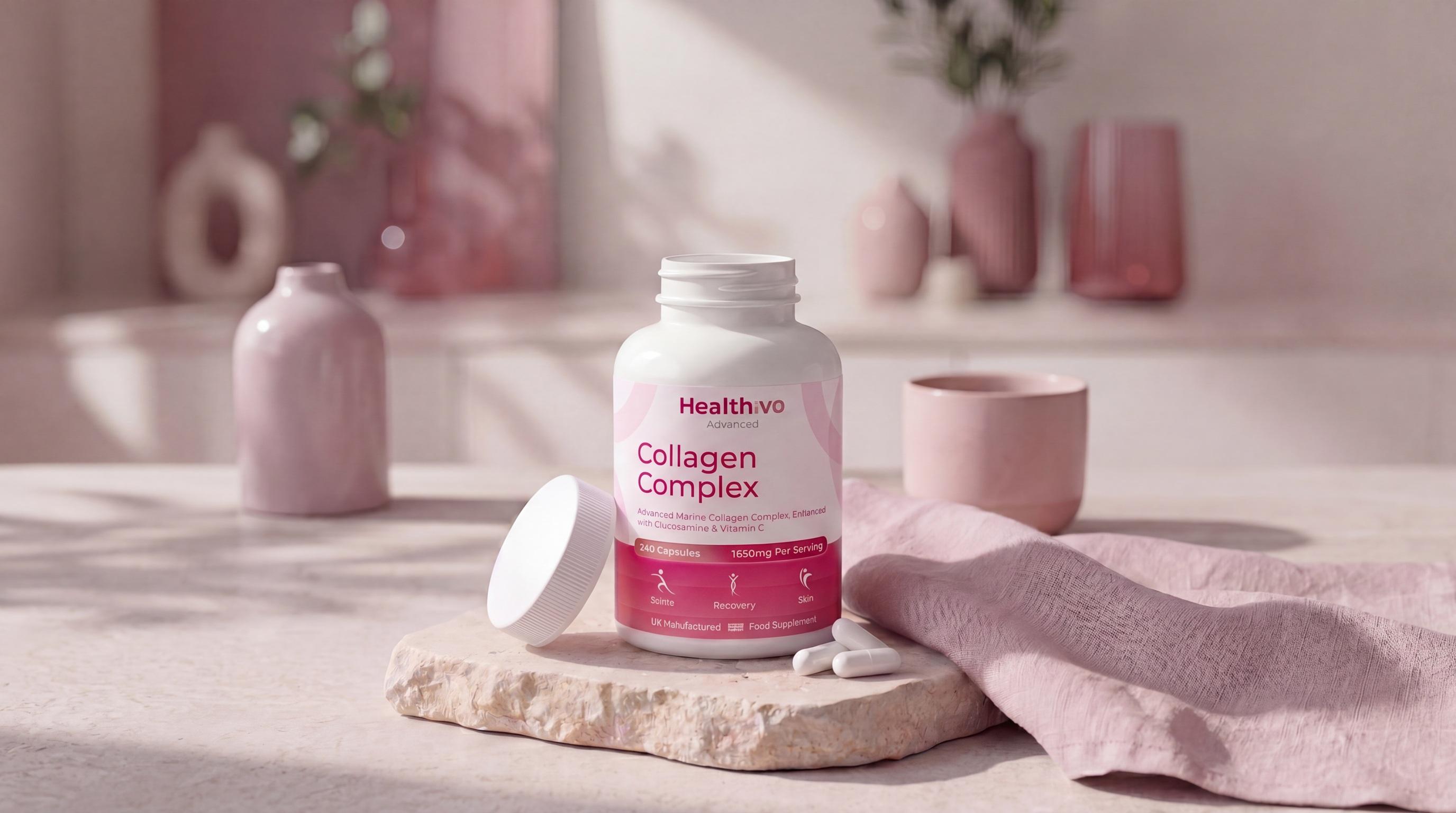
Holding It All Together - The Collagen Conversation
Whether you have spent just five minutes in the wellness corner of the internet, or you have spoken to friends and family about supplement trends, chances are that you have heard "Collagen" mentioned. It pops up in skincare conversations, ageing discussions, and somehow has now also made it into your best friend’s morning coffee routine.
But what actually is Collagen? Why does it get so much attention when it comes to skin? And is the hype really justified?
Let's start with the basics.
What Is Collagen?
Put simply, Collagen is a protein, and a pretty important one at that. In fact, it is the most abundant protein in the human body (Shoulders, M.D. & Raines, R.T; 2009). You'll find it everywhere where structural support is needed: Skin, bones, cartilage, tendons, ligaments and other connective tissue.
If your body were a house, Collagen would be the beams and framework holding everything together. And when it comes to skin specifically, it lives mainly in the deeper layers (dermis), where it helps give skin its structure, strength and resilience.
Collagen and Skin: What's the Real Link?
Collagen is fundamental to skin structure, and without it, skin simply wouldn't function as it does. Because of this, Collagen, particularly collagen peptides, has been studied in a number of clinical trials looking at skin characteristics such as elasticity and hydration. A randomised, placebo‑controlled study observed changes in skin elasticity following oral collagen peptide supplementation (Proksch et al., 2014) and another systematic review examined several clinical studies and reported improvements in skin elasticity and hydration across multiple trials (de Miranda et al., 2021).
Together, these studies help build a picture of how Collagen behaves in the body and why it continues to be researched so actively.
If Collagen Already Exists in My Body, Why Supplement It?
Great question, and a very fair one!
As part of the normal ageing process, the body gradually becomes less efficient at producing collagen. Don’t worry, this isn’t a flaw - it’s biology. Factors such as age, sun exposure, and lifestyle can all influence how collagen is made and maintained over time.
This natural shift is one of the reasons collagen has entered the supplement conversation. However, it is important to understand that your body doesn’t simply absorb supplemented collagen and send it straight to your skin. Instead, collagen is broken down during digestion into smaller building blocks, which the body can then reuse where needed.
For many people, supplementing collagen isn’t about “replacing” what’s already there - it’s about supporting the body’s ongoing renewal process and topping up dietary protein as part of a broader approach to maintaining structural tissues over time.
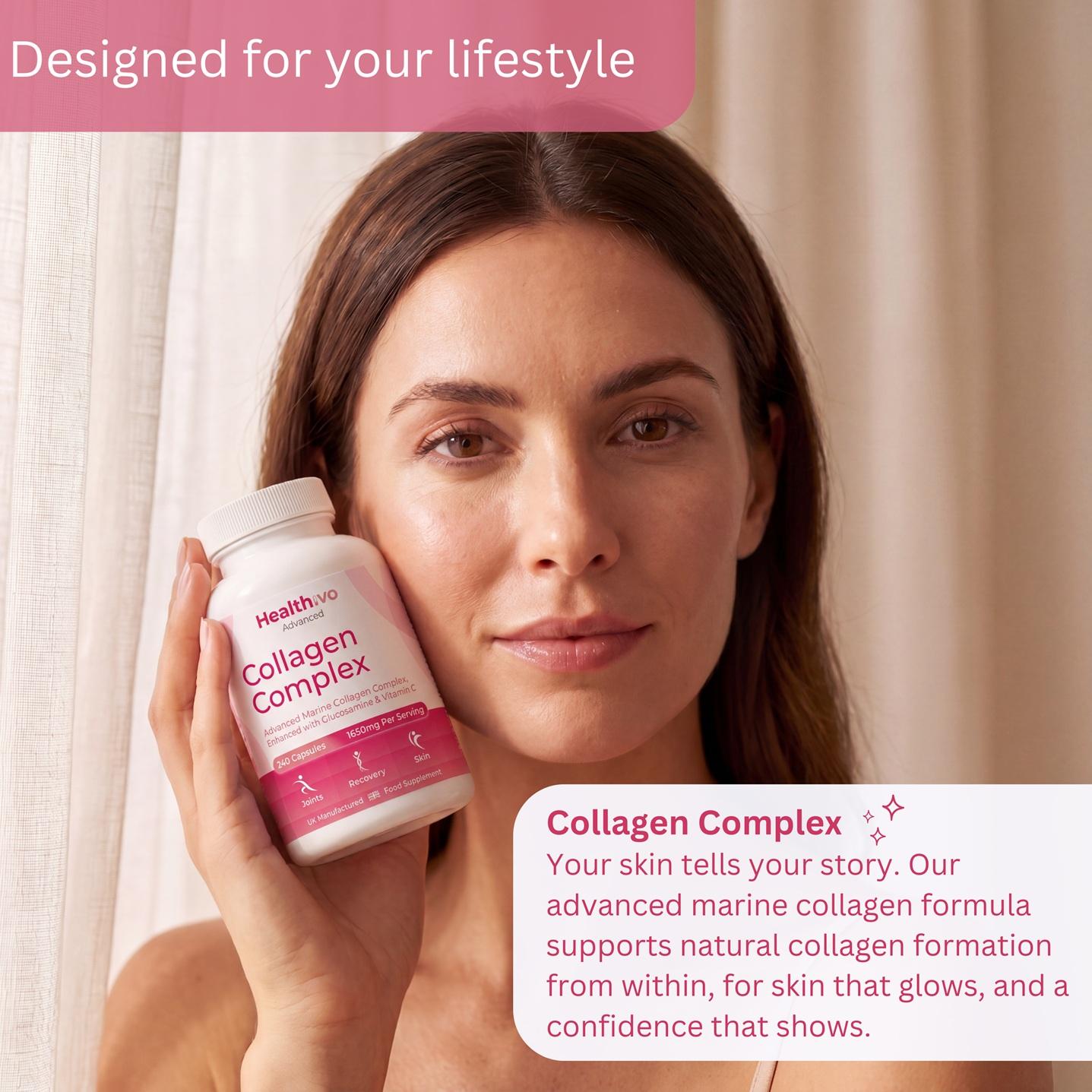
Collagen without the Coffee Sludge: Is There Another Way?
Thankfully… yes! Collagen powders have definitely had their moment, especially stirred into morning coffees and smoothies. Some people love the ritual, but let’s be honest, it’s not for everyone.
The good news is that there is no single “right” way to take collagen. Powders, drinks, and capsules all exist for a reason, it really comes down to what fits best into your routine.
For anyone who wants to include collagen without changing the flavour or feel of their daily coffee, capsules offer a simple, no‑fuss alternative that slots easily into everyday life (and works just as well with water).
The Takeaway
Collagen really is a big deal; not because it’s trendy, but because it’s fundamental to how the body is built. From skin to bones to connective tissues, it plays a structural role throughout the body and the hype exists for a reason! The key is finding a way to include in your day-to-day which works for you - whether that’s blended, stirred, or simply swallowed in capsule format with your morning drink. Give it a go!
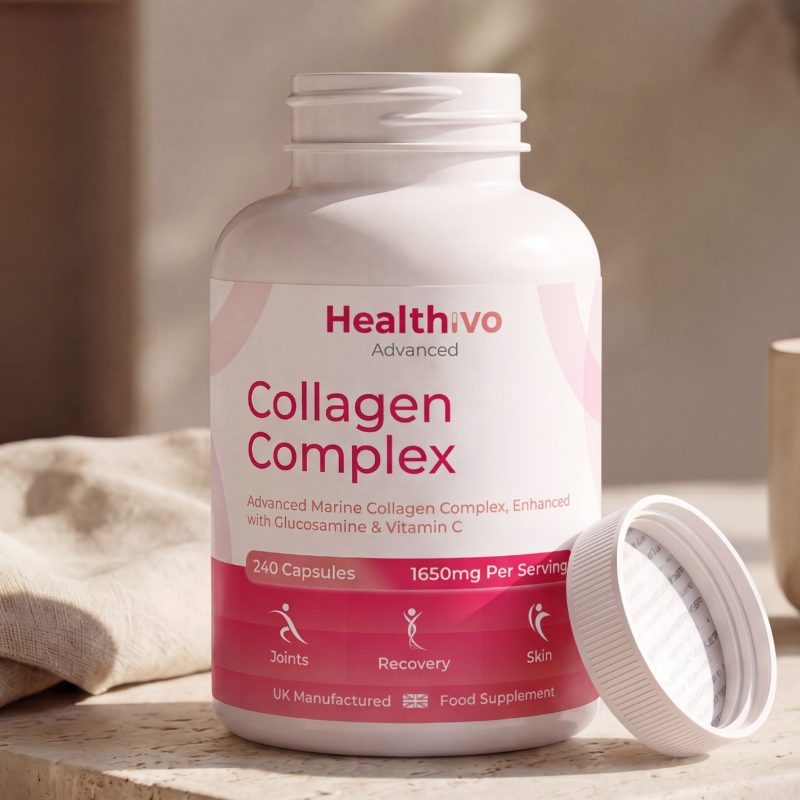
Featured in this post
Marine Collagen Complex
£12.95
References
- [1]de Miranda, R.B., Weimer, P. and Rossi, R.C. (2021). Effects of hydrolyzed collagen supplementation on skin aging: A systematic review and meta‑analysis. Nutrients, 13(12), 4237.
- [2]Proksch, E., Schunck, M., Zague, V., Segger, D., Degwert, J. and Oesser, S. (2014). Oral intake of specific bioactive collagen peptides reduces skin wrinkles and increases dermal matrix synthesis. Skin Pharmacology and Physiology, 27(3), pp. 113–119
- [3]Shoulders, M.D. & Raines, R.T. (2009). Collagen structure and stability. Annual Review of Biochemistry, 78: 929–958.